Earrings are the most forgiving gift in jewellery. No ring size to guess, no wrist measurement to get wrong, and nobody has to admit they never wear bracelets. A pair of gemstone drops or a neat pair of studs lands well on a colleague, a sister, a mother-in-law or a friend you have known since school. The only real decision is how much you want to spend, and whether the stones are going to be a small accent or the whole point of the piece.
What follows is a walk through the price bands you will actually find on the high street and online this December, with notes on what your money genuinely buys at each level, plus birthstone ideas and a few party-ready styles.
Under £30: Small Stones, Careful Metal Choices
At this level you are mostly paying for the setting and the workmanship, not the stone. That is fine, as long as you accept it. A pair of 8mm sterling silver hoops set with tiny garnets or a small cubic zirconia stud can look charming, and they will survive daily wear far better than anything made from base metal.
Two things to look for. First, check that the post itself is sterling silver or gold-filled rather than gold-plated brass. Plating wears fastest exactly where it rubs against skin, which is the post, and a green-tinged earlobe by February is a disappointing outcome. Second, choose small. Delicate designs hide modest materials beautifully; a big statement drop at this price tends to reveal itself through wobbly hinges and uneven stone setting.
Good buys here: freshwater pearl studs, tiny blue topaz drops, amethyst and peridot studs, and simple huggie hoops with a single stone.
£30 to £75: The Band Where Gifts Get Easy
This is the sweet spot for Christmas gifting. You start to see genuine gemstones with decent colour, cleaner settings and gold vermeil or solid 9ct gold accents. A pair of labradorite drops on gold vermeil, or rose-cut moonstone earrings that catch the light, look far more expensive than they are.
It is also where birthstone studs become realistic. A pair of 4mm or 5mm stones in a simple four-claw setting sits comfortably in this range for most months, and small stones suit everyday wear in a way that larger ones do not.
£75 to £150: Solid Gold and Better Stones
Cross this threshold and the metal usually changes to solid 9ct gold rather than plating. That is the single biggest upgrade in the whole guide: a pair she can wear in the shower, sleep in on holiday and still hand down. Look for a UK hallmark on the piece, which tells you the metal is what the seller claims it is.
Stones improve too. You will find properly matched pairs of small emeralds, rubies and sapphires, and pearls with better lustre and less blemishing. Matching matters more than people expect: two stones of slightly different colour or size look like a mistake once they are side by side on a face. If you buy online, ask whether the pair is photographed individually.
£150 and Above: Fine Settings and Heirloom Pieces
Above this, you are buying precision. Thinner claws, better-cut stones, 18ct gold or platinum settings and a finish that holds up under a jeweller's loupe. If the recipient wears earrings every day and has a small collection already, one excellent pair beats three ordinary ones.
Ask where the stones come from. A good jeweller answers without hesitating, and that answer is worth more than a certificate in a drawer.
This is also where you can sensibly buy a stone she would never buy herself: tanzanite, a fine opal, a matched pair of blue sapphires. Do check the returns policy before ordering, because earrings are sometimes excluded for hygiene reasons.
Birthstones: A Gift That Reads as Personal
A birthstone earring says you thought about the person, not just the price. If you are unsure which month, or which stone, here is the traditional list:
- January — garnet, deep red and inexpensive
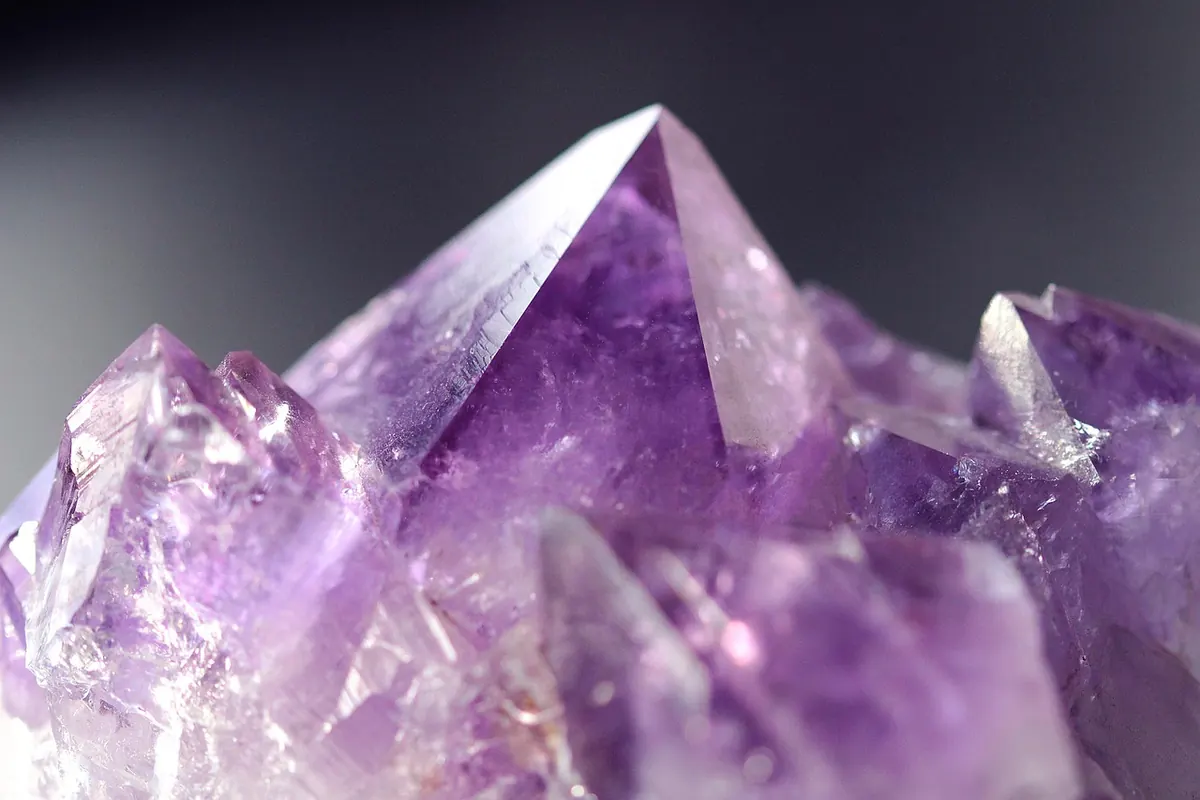
- February — amethyst, available in every shape and size
- March — aquamarine, pale blue and quietly elegant
- April — diamond; white topaz or white sapphire as a kinder alternative
- May — emerald, best chosen small and well cut
- June — pearl or moonstone
- July — ruby
- August — peridot, fresh green and good value
- September — sapphire, in blue or any of its other colours
- October — opal or tourmaline
- November — citrine or topaz
- December — turquoise, tanzanite or zircon
If the birthstone is a hard sell — not everyone wants a bright yellow citrine — pick by colour instead. Look at what she already wears: gold or silver, bold or quiet, hoops or studs. Buying the birthstone in her preferred metal is usually the better gift.
Festive Party Looks
If the outfit is already sparkly
Keep the earrings simple and let the dress do the talking. A single stone drop or a slim diamond-cut bar in 9ct gold reads as considered rather than competing. Skip the matching necklace.
If the outfit is dark velvet or a plain jumpsuit
This is where colour earns its place. Deep green tourmaline, garnet or blue topaz against black or navy looks deliberate in photographs, and the stones do not need to be large to have an effect.
If she wants drama without weight
Long earrings pull at the lobe, so look for lever-back or hinged fittings that distribute the weight. A 4cm drop with a lightweight setting is comfortable for a whole evening; a heavy 7cm pair usually ends up in a clutch bag by ten o'clock.
Before You Order: A Short Checklist
- Check the fitting. Butterfly backs for studs, screw-backs for fine posts, lever-backs for anything heavy.
- Check the metal. Sterling silver, 9ct gold or gold vermeil — and ask what the post is made from if the description stays vague.
- Check the returns window. Many shops extend it over Christmas, but pierced earrings are often excluded. Ask before you pay, not after.
- Check the delivery date. Personalised or made-to-order pieces can take a fortnight or more.
- Check for sensitivities. If she reacts to cheap earrings, stick to nickel-free or hypoallergenic posts, and avoid mystery metals.
Wrap them with a small care note: pearls, opals and turquoise scratch and discolour easily, so keep them away from perfume and hairspray, and store them in a soft pouch rather than loose in a box with other jewellery. Earrings go on last when dressing and come off first at night. A pair treated that way will still look right in ten years, whatever you paid for them.
Photo: JillWellington / Pixabay